Modern Transmission
Transmission—the vast network of high-voltage power lines that moves large amounts of electricity across the country—is essential to grid reliability and accessing more affordable and cleaner energy resources.
Too often, consumers are stuck paying for the wrong kind of transmission: smaller lines built with minimal-to-no oversight. Consumers pay for transmission as a separate line item on their electric bills, and the cost of new transmission infrastructure, spurred by plain old-fashioned utility greed, is causing electricity bills to climb.
Our vision is for a well-planned and affordable transmission system. Make no mistake, if we want to transition to a clean and reliable grid, we cannot delay modernizing our transmission system. At the same time, consumers deserve oversight. It’s why we want to see PJM take these actions:
Enhance Oversight to Ensure Smart Spending
Transmission spending is becoming a bigger and bigger portion of consumers’ utility bills, accounting for billions of dollars across the PJM region. And while customers foot the bill for transmission buildout, there is limited public oversight of proposed projects, especially smaller, single-utility projects that fall through the regulatory gap.
Establishing an Independent Transmission Monitor for PJM would help ensure transmission spending appropriately balances affordability and public benefit. An impartial third party can evaluate and monitor proposed spending to prevent utilities from gaming the system.
Unlock More Value from Our Existing Grid
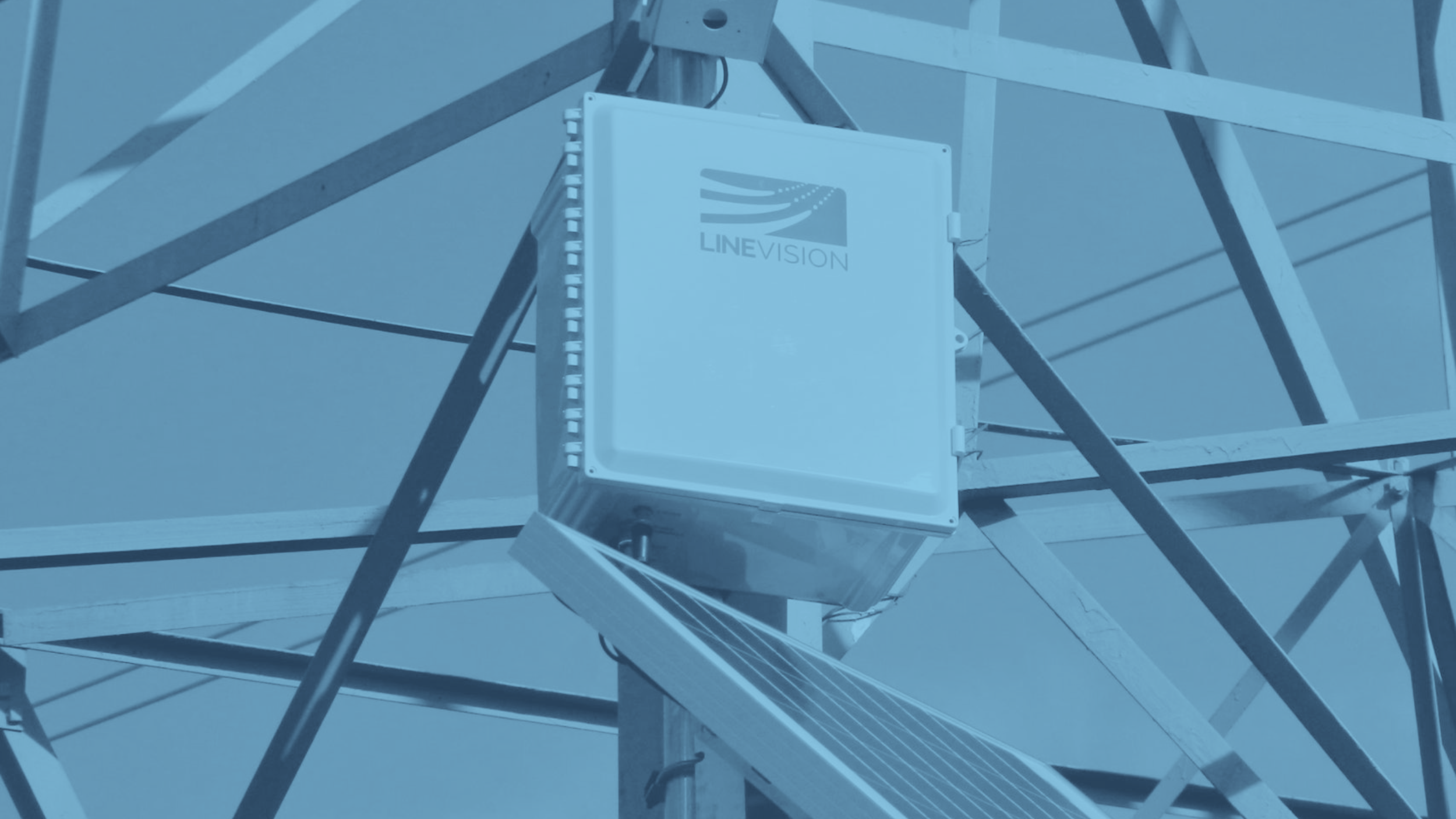
Good transmission policy should also make room for technologies that get us the most for our buck from the transmission system we already have. Perverse incentives for utilities often keep them from pursuing “non-wires” improvements (also known as advanced transmission technologies [ATTs] or Grid-Enhancing Technologies [GETs]), even though they are cheaper and quicker to implement.
In parallel with proactively planning more traditional transmission, utilities should consider ATTs and deploy them where they would save consumers money. To see examples of how state legislatures can overcome backwards utility incentives and encourage adoption of ATTs, check out our PJM Legislation Toolkit.
Plan Proactively for Long-term Regional Needs
High-voltage transmission projects spanning multiple utilities and regions are our best bet to bring down bills, unlock clean generation, and bolster our grid against extreme weather. However, piecemeal planning and lower-voltage projects have been the norm in PJM, costing the public money and time.
PJM must fully comply with Order 1920, a rule issued by the Federal Energy Regulatory Commission (FERC) compelling grid operators and utility companies to engage in long-term transmission planning that solves for reliability, economics, and state policies.
Expand Interregional Transmission Capacity
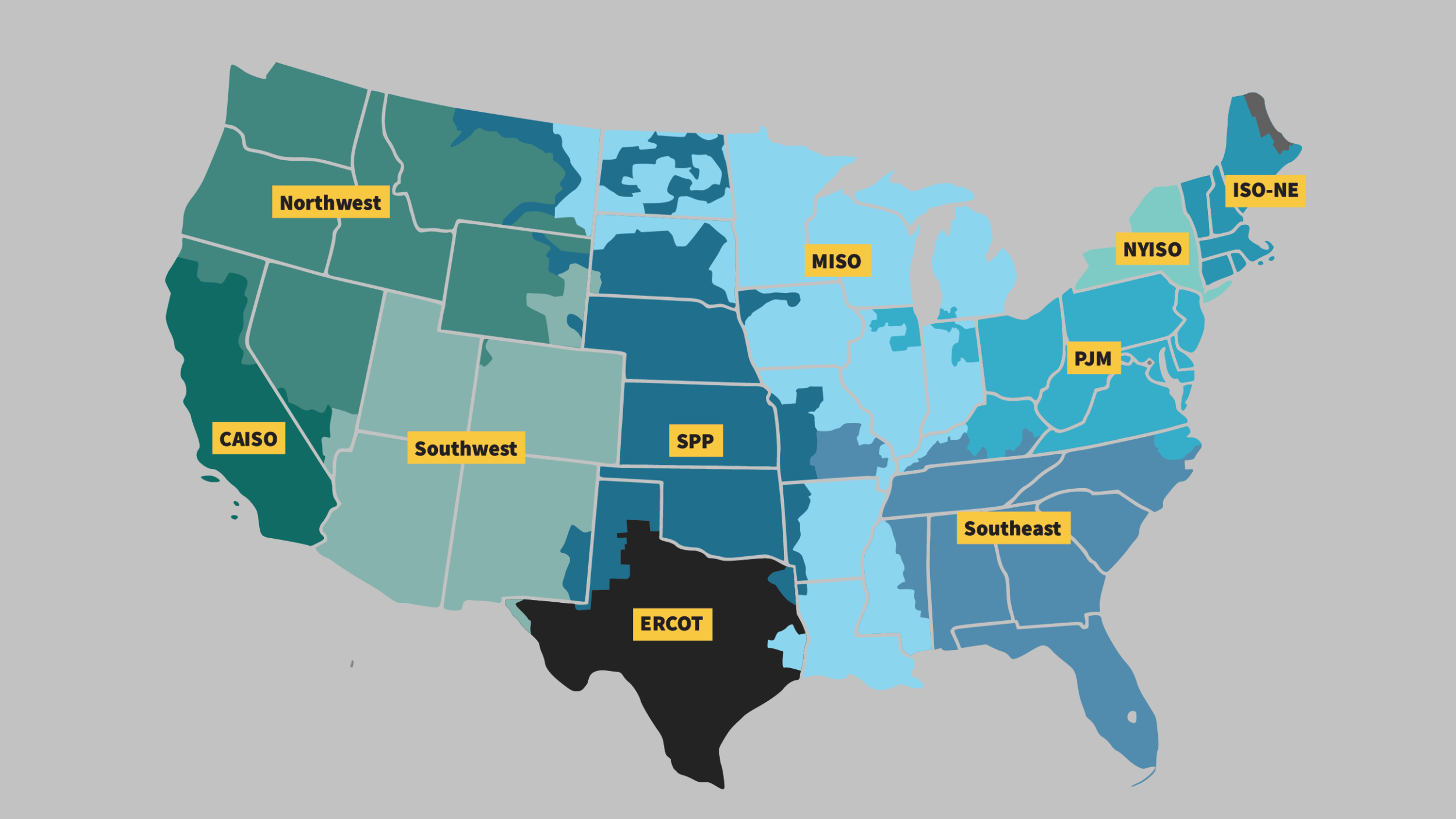
Interregional transmission connects different grid regions to one another, like PJM to MISO (which serves much of the Midwest). When well-designed, interregional transmission improves reliability and affordability for ratepayers.
A 2023 study found that interregional transmission could save consumers $1.7 billion annually. Though interregional transmission offers benefits in all weather conditions, it is especially helpful during extreme weather, allowing neighboring grid operators to dispatch electricity where urgently needed to avoid blackouts. PJM must commit staff to coordinating with our neighboring grid operators to expand interregional transmission.
Resources: