Affordable Electricity
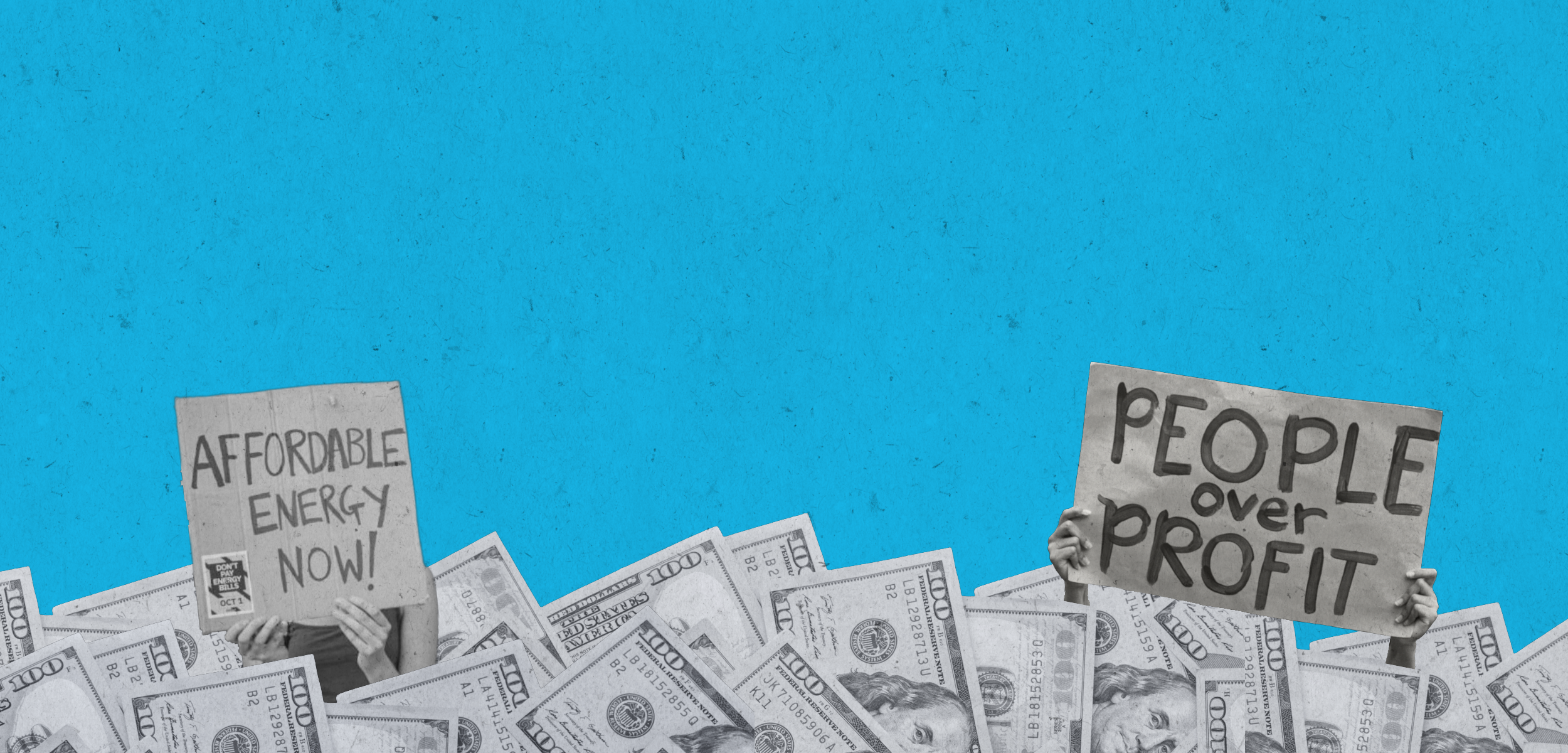
PJM-driven costs make up more than half of the average person’s electricity bill. We work with PJM and state partners to lower costs for customers throughout the region.
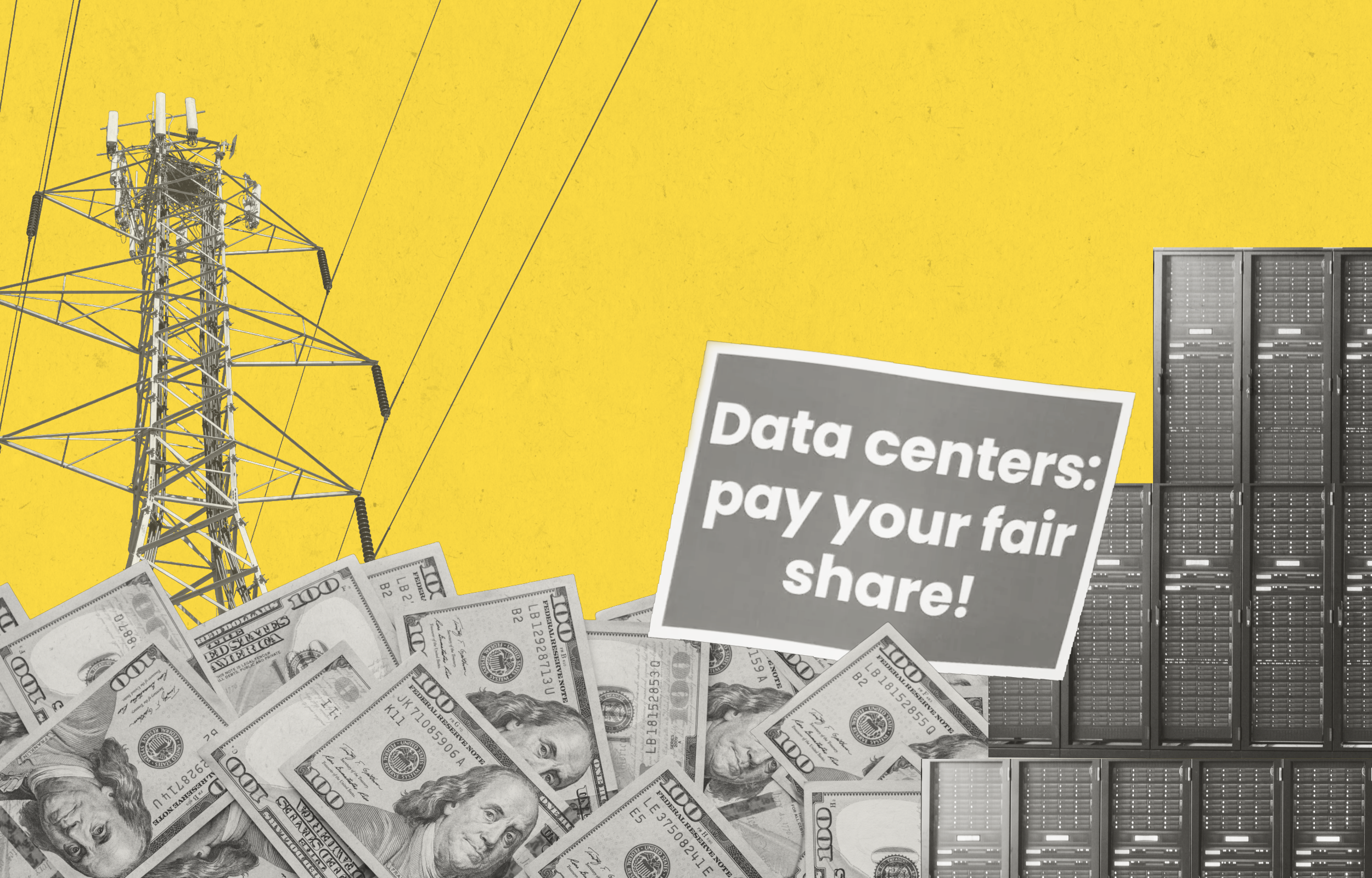
Across the PJM territory, the wholesale cost of electricity has risen dramatically, and prices are expected to keep climbing—in recent capacity auctions, data centers cost consumers an alarming $29.4 billion. With rapid data center growth, volatile fossil fuel prices, and costly grid upgrades, electricity bills are becoming unbearably high for a growing share of families and businesses across the PJM territory.
We push PJM to adopt cost-saving measures that guarantee fair electricity prices for its 67 million customers, and work at the state level to pass laws and regulations that offer both immediate and long-term solutions to promote energy affordability.

What’s causing your electricity bill to rise—and how we can fix it:
Power-hungry data centers
Data centers use enormous amounts of electricity—and the costs of that massive electricity demand have fallen on everyday people.
In recent auctions, data centers cost ratepayers $24.9 billion—or 46% of the total regional capacity bill. Tech companies that own data centers are rich and powerful–there’s no reason why they shouldn’t cover their own costs. We work with PJM and individual states to develop policies that protect consumers from data center costs, like requiring data centers to bring their own clean power generation.

The broken capacity market
PJM’s flawed way of securing and pricing reserve power—capacity—often leads to higher bills for electricity customers. In 2024, PJM’s capacity auction resulted in a nearly tenfold increase in prices, with wholesale electricity reaching a record $269/MW-day, compared to just $28/MW-day in the preceding auction. The staggering increase in wholesale prices led advocates and political leaders to demand a price cap in PJM’s capacity market—one that has been extended until 2030. But that price cap acts as a Band-Aid for a structurally broken system.
We fight for market rule reforms that would ensure all electric resources available to us are reflected in pricing and that data centers pay for their share of demand. We also push for improvements to the interconnection queue so that cheaper, clean energy sources and battery storage can come online more quickly and deliver relief from high demand and volatile fossil fuel prices.

Emergency supply shortages and price surges
In an extreme winter storm when gas plants fail to operate, there is high demand but limited supply, causing energy prices to spike. But higher prices can’t coax a power plant back online if it simply cannot function in the cold.
When emergency conditions arise, there should be a price cap to protect consumers from runaway electricity costs. Winter Storm Uri in Texas is a case in point. The storm caused widespread interruption and failure of natural gas plants, leading to soaring electricity prices. Without protections in place, customers were forced to pay over $37 billion in excess energy fees. We advocate for what the industry calls a "circuit breaker"—a mechanism to insulate consumers and cap wholesale electricity prices when regular market signals go haywire.

Market manipulation
In 2024, an energy efficiency aggregator called American Efficient was accused by the Federal Energy Regulatory Commission (FERC) of stealing $400 million from consumers’ pocketbooks. The company allegedly bought sales data on energy efficient appliances and traded those for payments in the PJM and MISO capacity markets, effectively making a profit off of consumer receipts. American Efficient, attempting to evade penalties, filed a lawsuit challenging FERC’s enforcement powers. In 2025, our team intervened in the case to defend FERC’s independence and shield consumers from market manipulation. It’s part of our ongoing fight to not only ensure fair electricity prices, but to reinforce durable protections against corporate exploitation.
Resources: