
Accountability and Reform
PJM should serve the people—not power companies.
PJM has the regulatory power of a government agency, but it’s run as a private corporation, where moneyed interests design and vote on the rules that benefit them, without regard to public cost.
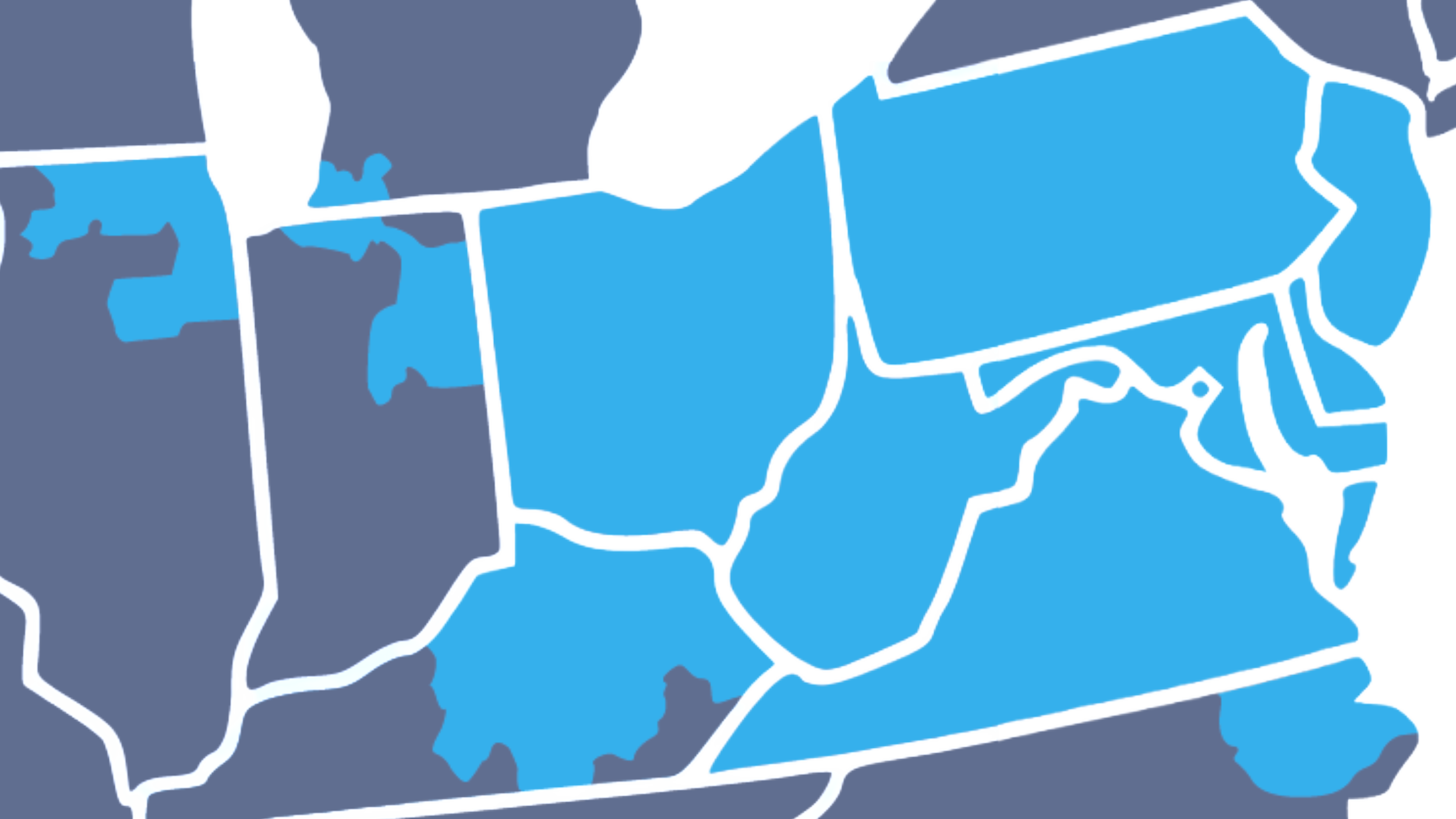
PJM manages electricity markets that impact the power bills paid by 67 million people. But board meetings are held behind closed doors, most votes are kept private, and membership is dominated by power companies that have an outsized influence on what decisions get made.
Those decisions can increase costs for electric consumers, keep expensive fossil fuel power plants running longer than they should, and delay the transition to renewables. The public has a right to know how PJM members are voting on these consequential issues and have their concerns heard and interests prioritized.
What we can do to fix PJM:
Codify an Affordability and Public Interest Mandate
While PJM pays lip service to promoting consumer interests, they have no concrete or legally binding commitment to hold them accountable. Codifying an affordability and public interest mandate in PJM’s operating agreement would require the organization to consider how costs would affect everyday people and be responsive to the needs of consumers.
In summer 2026, we joined other consumer advocates to propose adding affordability and public interest language to PJM’s governing documents. It was voted down, but we will keep pushing.

Give States Meaningful Power
There's a power imbalance at PJM—one that favors corporate interests over the public. States should have a bigger role that allows them to proactively protect consumers and propose solutions to the energy affordability crisis.
One concrete way to provide more power to states is to grant them 205 filing rights at the Federal Energy Regulatory Commission (FERC), allowing them to submit proposals directly to the Commission. Currently, states are granted 206 filing rights, which require a higher legal burden and don’t require a response from FERC.
Improve Cost Oversight
For many households, electricity prices are punishingly high. But cost efficiency isn’t always a priority at PJM, meaning consumers end up paying more than they should. PJM can and should take steps to bring costs down, such as:
Require Cost Impact Analysis: Most PJM proposals don't include cost impact analysis, and, as a result, cost efficiency is not always a priority or consideration in PJM planning. Mandating cost impact analyses would help to make cost savings a more significant criterion for proposal evaluation.
Establish an Independent Transmission Monitor: Transmission costs are one of the fastest-growing drivers of higher electricity bills across the region. PJM needs an Independent Transmission Monitor to oversee transmission planning and spending.
Make Member Votes Public
Utilities are monopolies that provide a vital service, but in the PJM stakeholder process, their votes are largely secret. The public has a right to see if electric utilities are voting against our interests in PJM proceedings on issues that matter to the affordability, reliability, and cleanliness of our electricity.
PJM disclosure legislation requires state-jurisdictional utilities to report on the votes they take at PJM. This creates an avenue for the state to hold their utilities accountable to state laws regarding electric reliability, affordability, and the resource mix. It also introduces greater transparency into PJM processes.
Delaware, Maryland, New Jersey, and Virginia have all passed versions of the disclosure bill.

Reform the PJM Board
The PJM Board has significant influence on the shape and direction of grid policy. To improve accountability, board meetings and votes should be made public. To check the power of big energy companies and fossil fuel interests, the Board should always include members with regulatory consumer protection , and energy transition expertise.
In 2022, we led a proposal to require one PJM board member to have clean energy expertise. The measure was rejected 52-21 after Dayton Power & Light and NRG requested a suspension of the rules to make the vote anonymous.
Ensure Independence from Monied Interests
As a consumer watchdog, we keep our eye out for secretive negotiations and undue corporate influence, shining a light on and preventing proposals that disadvantage everyday people.
In 2024, we fought an anti-consumer deal PJM had secretly negotiated with a group of transmission owners. From the PJM stakeholder process, to FERC, to the courts, we persevered and finally defeated the proposal, which “would have given large corporations with a profit motive far too much power and secrecy in transmission planning.“

Resources: