Environmental and Energy Justice
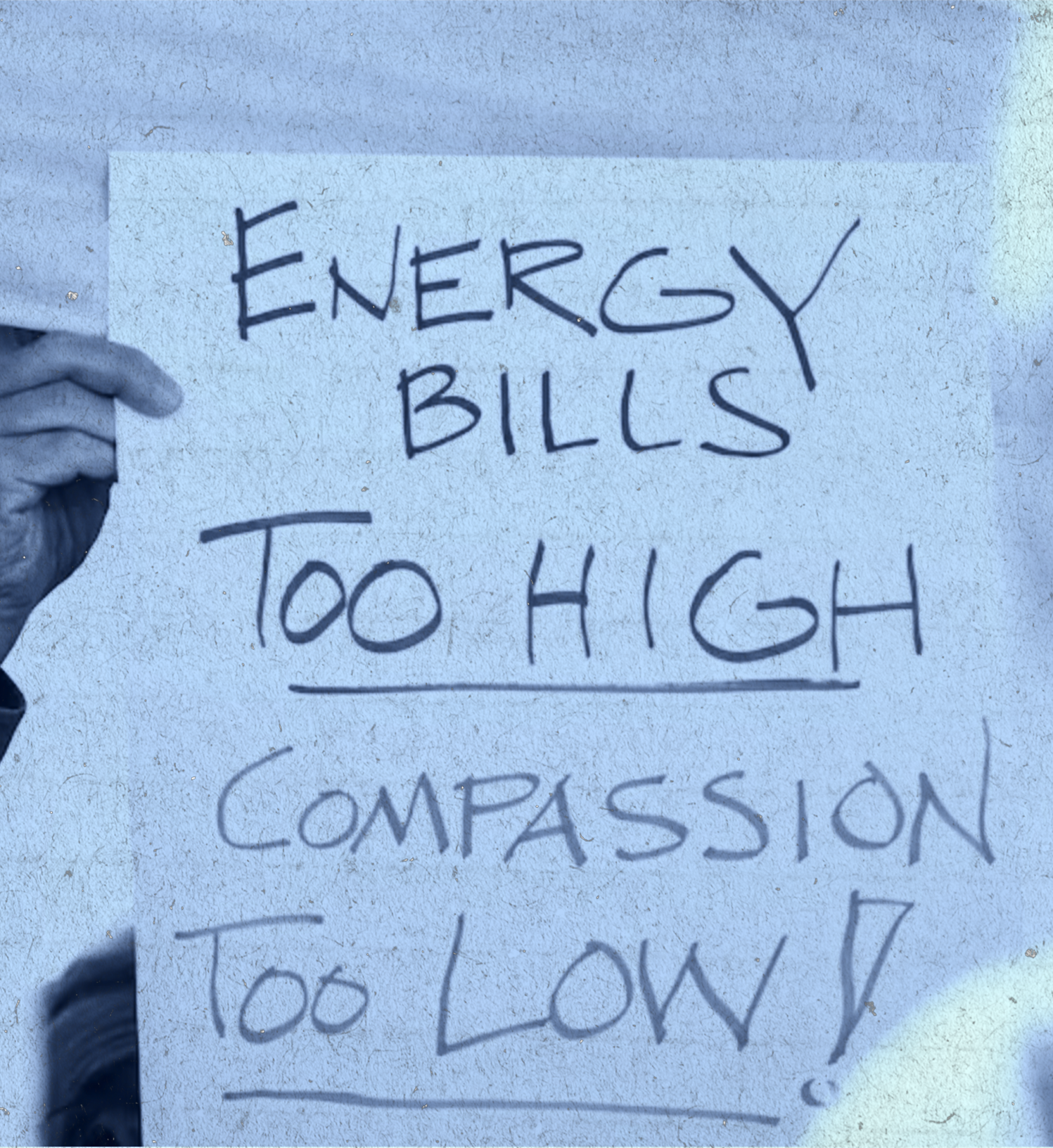
43.6 million U.S. households struggle to pay their energy bills, and Black, Latino, and Indigenous communities disproportionately suffer from energy insecurity.
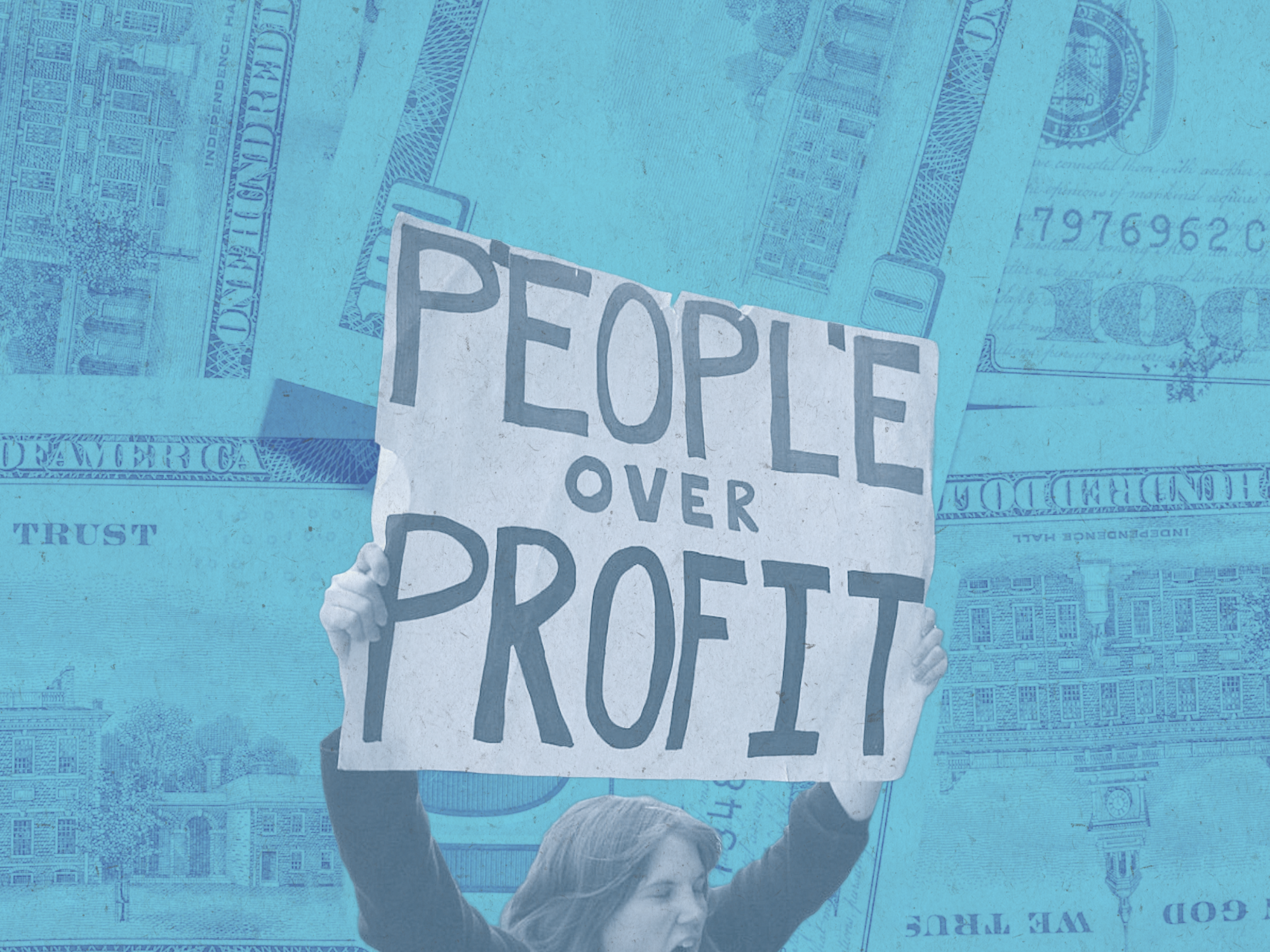
No family should have to choose between paying for food and keeping their lights on—especially as utility companies enjoy record profits.
Low-income households in PJM states spend disproportionately high percentages of their income on energy; in some states, that proportion is over 31%, more than 10 times the national average. In West Virginia, where data center growth is surging and coal-powered plants dominate energy production, over one-third of households are energy burdened.
In general, spending six percent or more of household income on energy is considered a high energy burden, and in the US, Black households have a median energy burden 43% higher and Latino households a burden 20% greater than white households.
Across the region, the wholesale price of electricity—shaped by PJM policies—accounts for more than half of household electricity bills. While PJM plays a significant role in growing electricity costs, it doesn’t consider affordability core to its mission.
We fight for PJM to prioritize policies that offer immediate and long-term economic relief and deliver affordable electricity to households across the region, especially for households simultaneously burdened by high energy costs and exposure to pollution from fossil fuel infrastructure.
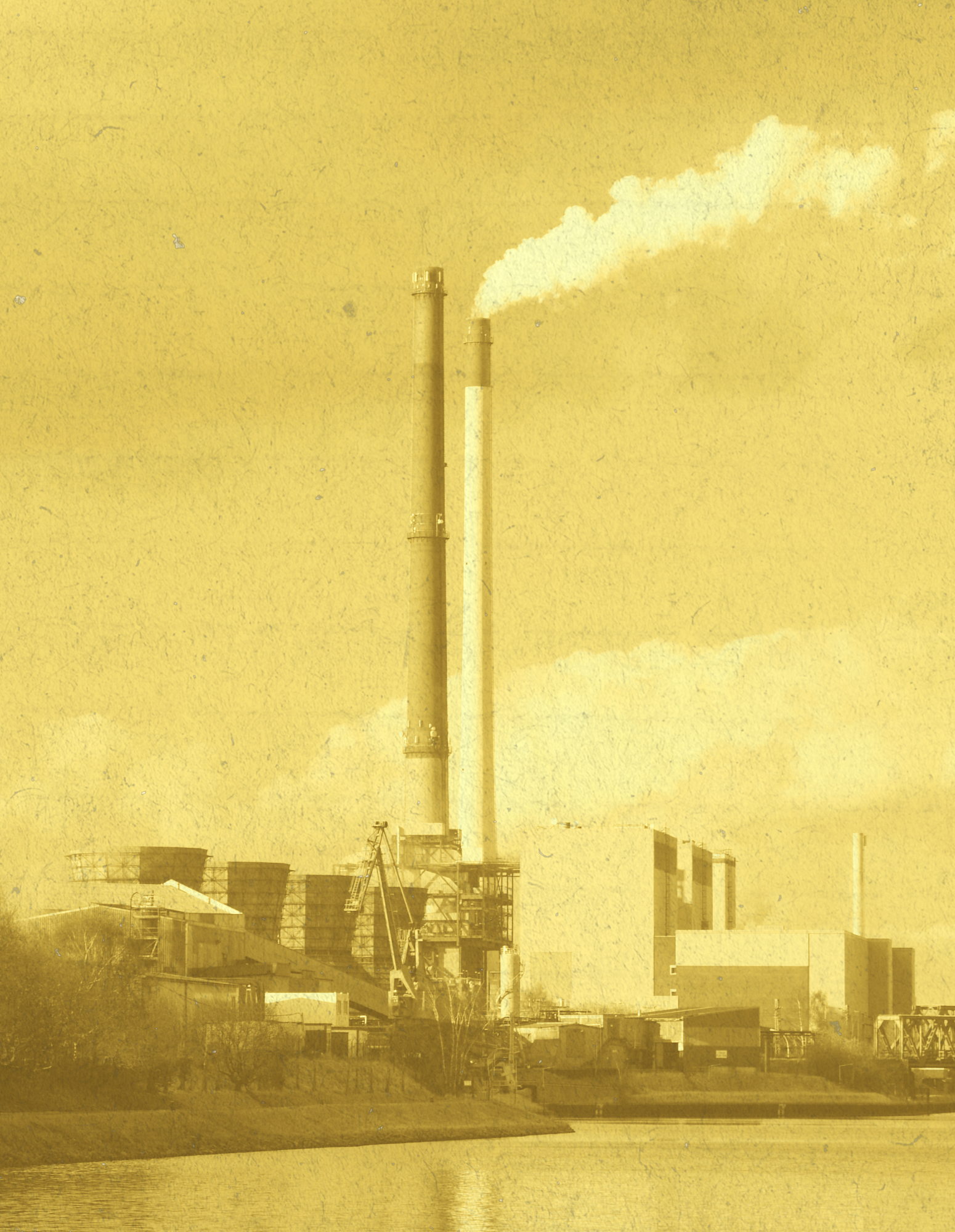
More than half of PJM fossil fuel power plants are located within a mile of low-income households and communities of color.
PJM must evaluate environmental justice impacts and listen to the voices and concerns of frontline communities when making decisions.
An Applied Economics Clinic study found that 54 percent of PJM power plants are located within 1 mile of an environmental justice (EJ) community—defined as a community with a 20% or greater share of low-income households and/or 30% or higher share of Black and Brown households.
Solar and wind projects are not only better for the environment, but also provide a cheaper and healthier alternative to the fossil fuels that threaten the health of all consumers, especially people who live near power plants.
Too often, PJM policy prioritizes payouts to big power generators over consumer interests. This tends to keep polluting power plants online despite being uneconomic and unnecessary to provide reliable electric service. Rather than keeping dirty, aging plants running, even when they can’t compete in today’s energy market, PJM should allow them to close and focus on connecting new clean energy to the grid.
In 2024, we successfully introduced a proposal in PJM’s Markets & Reliability Committee to promote the design of cost-effective alternatives to running expensive, polluting power plants past their planned closures, and we continue to push for PJM’s meaningful consideration and inclusion of frontline communities in their decision-making.
Resources: